Fastest: call (855) 974-4733. Or send this and we call you back.
Saltmarsh Mosquito
Saltmarsh Mosquito Yard Treatment: what it covers
Quick answer
Saltmarsh mosquito yard treatment in Titusville targets the shaded grass, hedges and leaf litter where adult mosquitoes rest, not the open marsh itself. The marsh is managed by the county mosquito control department. A technician maps the resting sites on your lot, applies a treatment by label to those areas, and explains when the yard will be usable again.
The saltmarsh mosquito behaves differently from the backyard mosquito most people picture. It bites through the afternoon, in shade, and it will feed on a person sitting under a live oak at noon as readily as at dusk. Anyone who has tried to finish a cookout on a lagoon-edge lot knows that the usual evening routine does nothing for it.
The reason is biology. The insect lays its eggs on moist ground at the high-tide line, where they can wait through dry spells, and the young hatch when water rises again after rain or a tide. Adults then fly inland, sometimes a long way, and rest through the day in low, damp cover before they go hunting for a blood meal.
That resting habit is the reason a yard treatment is worth doing at all. Treating the open water is the county's job, and it is done on a schedule set by water levels. A private visit can reduce the adults that have already reached your lot, and it can make the hedge line and the shady corner by the patio a place where they do not stay long.
Keep any product you buy yourself away from children, pets and water features, and do not apply it to fish ponds or birdbaths. After a yard treatment, keep pets off the treated beds until the technician says they can return, and wash produce from the garden before eating it. Follow the directions on the label and ask for them in writing before the work starts.
Mosquitoes biting in the middle of the afternoon, especially in shade under trees or along a hedge
Bites on ankles and arms while standing on the lawn near the back fence or the lagoon side of the lot
Swarms rising from tall grass, a ditch or a shaded corner when you walk past
A yard that feels fine in full sun but turns unpleasant as soon as the shade reaches the patio
Neighbors reporting the same problem on the days after a wet spell or a high tide
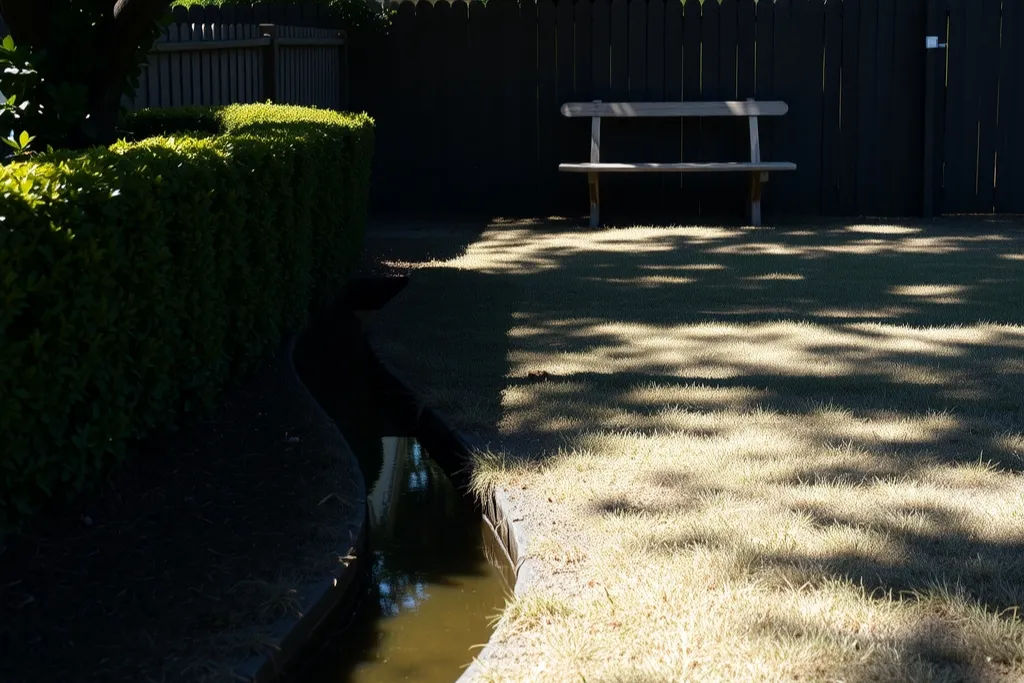
An illustration of the shaded cover where biting adults rest during the day.Generated illustration of a Brevard County house and yard of the kind described on this site. It is not a photograph of a job this company has completed.
Our process
How our saltmarsh mosquito yard treatment visit works
Timing the visit to the biting hours
The technician asks when the yard is used and when the bites happen. A saltmarsh problem is a daytime problem, so the visit is planned for the hours when the insects are most active on that lot, and the treatment is set for the places they are most likely to rest during those hours.
Mapping resting sites on the lot
Resting sites are mostly low, damp and shaded: dense ground cover, the base of hedges, leaf litter under palms and the wet corner beside an air conditioner. The technician walks the lot with you and marks each area, so the work goes exactly where the adults hide instead of spreading across open lawn that does not need it.
Applying the treatment by label
The treatment is applied to vegetation and resting cover according to the directions on the label. Open water, drains and the marsh itself are not treated by a private service, and the technician will say so plainly if a neighboring ditch is the real source of the problem and the county should be contacted about it.
Re-entry and the next treatment
You are told how long to keep pets and children off the treated areas and when the yard can be used normally again. Some lots need a second application timed to the next wet period, because the adults that arrive after rain are not the same group that was present at the first visit.
Job stories
Typical jobs for saltmarsh mosquito yard treatment
Typical call: biting through the afternoon in a shaded yard off a drainage ditch
What homeowners notice
A family can no longer sit outside after lunch because of biting that starts in the shade and continues into the evening. The lot backs onto a drainage ditch that has held water since the last heavy rain.
What we do
The technician asks when the bites occur and checks the dense shrubs and damp corner where adults rest. The treatment is placed in that cover, the household is asked to empty two containers and clear a gutter, and the ditch is reported to the county.
What to expect
The record states the areas treated, the reentry advice and the follow-up date. The household is told that a new flight from outside can follow a wet spell, and what to do when it does.
depends on the size of the yard and the cover typical visit
Why daytime biting changes the plan
Most mosquito advice assumes dusk and dawn. Saltmarsh mosquitoes feed through the day, which means a yard that looks safe at noon can be the worst place on the lot by mid-afternoon.
The adults rest in cool, damp, shaded cover while they wait out the heat, and they come out to feed when a person or animal moves nearby. A lawn with no shade can be fine for hours, while a hedge line six feet from the patio holds a resting population that is ready the moment someone sits down with a drink.
Because the pattern is daytime, a treatment applied at dusk alone misses the adults that have spent the afternoon resting. A good plan treats the cover those adults use and then times the next visit so the result lasts through the hours when the yard is actually used.
What the county does and what a private visit does
Brevard County Mosquito Control, a county department on Perimeter Road in Titusville, manages the marsh and the ditches on a schedule tied to water levels. A private visit works on the property itself, which is a different and complementary job.
The county manages water in the marsh and releases mosquitofish into standing water, which reduces the larvae that develop there. That work is public, and it changes the number of adults that reach the neighborhood after a wet period. It does not take care of the shaded hedge on your side of the fence.
A private yard treatment reduces adults that have already reached your lot and that are resting in your plantings. If your lot drains to a ditch that holds standing water, the technician will say so and point you to the county, because a yard treatment cannot fix a breeding site that lies outside the property.
The saltmarsh mosquito as a nuisance
The insect is an aggressive biter and a serious nuisance, but in most accounts it is not treated as a disease vector. That shapes what a homeowner can reasonably expect from the work: fewer bites and a usable yard, rather than a change in health risk.
A yard that has been bitten through the afternoon for a week loses its usefulness, and that loss is the honest reason to treat it. The work does not promise that the lot will be free of insects. It promises that resting cover is reduced and that the area where people sit and play is no longer the favorite resting place for the local population.
Anyone with a health concern about mosquito bites should speak with a physician, and any question about mosquito-borne illness in the county belongs with the county health and mosquito control agencies. A technician can describe what the yard treatment does and does not address, but cannot speak for public health.
Options
Types and options for saltmarsh mosquito yard treatment
Single-lot backyard
A house with a lagoon-facing or ditch-side yard, where the goal is a usable patio and a clear lawn for the evening. The treatment concentrates on hedges, shaded beds and the lawn edge along the fence line.
Event season preparation
A family plans a graduation, a wedding or a long weekend outdoors. The visit is scheduled a few days ahead, with a note of when the event starts so the technician can time the application for the best result on that day.
Shared or rental property
Several units share a lot with dense landscaping. The treatment covers common areas and resting sites, and the owner receives a written map so tenants know which parts of the grounds were treated and when.
Brevard County
Why saltmarsh mosquito yard treatment is different in the Space Coast
Lots along the lagoon edge in Titusville sit close to the salt marsh that the saltmarsh mosquito depends on, so the insect's flights reach them directly. Yards on the water side and in the shaded lots beside the marsh are where a daytime biting pattern is most likely to show up first, and the visit starts there.
The county department on Perimeter Road is in the South Titusville ZIP code, so residents there are nearest its public work. Ditches and drainage canals elsewhere in the city can also hold water after heavy rain and feed adults into neighboring yards, which the county tracks on its own schedule.
The saltmarsh population responds to rain and high tides rather than to a fixed season. After a wet spell, a technician who is asked to plan a return visit will usually schedule it for the period after the water has risen and the new adults have emerged, because treating before that point wastes the application.
Still stuck? We pick up 24/7.
If it's an emergency, call now. For non-urgent saltmarsh mosquito yard treatment, send the form and we'll call you back.
Identification and treatment for insects that feed on turf, shrubs and landscape plants, with the damage read first and the treatment timed to the pest's life stage.
Most mosquito bites in Brevard are an itchy nuisance, but a small number of mosquito-borne viruses, dengue among them, can cause serious illness in people.
Read the guide
FAQ
Saltmarsh Mosquito Yard Treatment FAQs
Why are the mosquitoes biting in the afternoon?
Saltmarsh mosquitoes feed during the day and are most active in shade and in the hours when the sun is strongest. A lawn in full sun may be quiet while a hedge a few feet away is busy, which is why the treatment goes to the cover rather than the open grass.
Will this stop the mosquitoes from the marsh completely?
No, and a technician will not promise that. The marsh is a large source, and the county manages it. A yard treatment reduces the adults that rest on your lot, which makes the yard usable for longer, but it does not remove the supply that flies in from outside.
Is the treatment safe for my children and pets?
The treatment is applied according to the label, and the technician tells you how long to keep children and pets away from treated areas. Keep food and water dishes out of the treated beds, and follow the timing you are given before letting animals back onto the lawn.
Who handles the standing water in the marsh and ditches?
Brevard County Mosquito Control handles the public marsh and ditch work. If the standing water is on your own property, such as a clogged gutter, a plant saucer or a low corner of the yard, a private visit can point out what to clear and when.
How many visits will I need?
Most lots are well served by one application and a follow-up timed to the next wet period. A technician will say which schedule fits your yard and what result to expect between visits, and will adjust the plan if the first treatment does not change the biting.